

Before Everest, and everything else that came with it, I felt it.
A quiet shift. Not loud, not explicit, not even entirely logical, but deep, reaching.
It built slowly, like altitude.
And then it roared.
"O the mind, mind has mountains;"
—Gerard Manley Hopkins
Tibet, Tibet
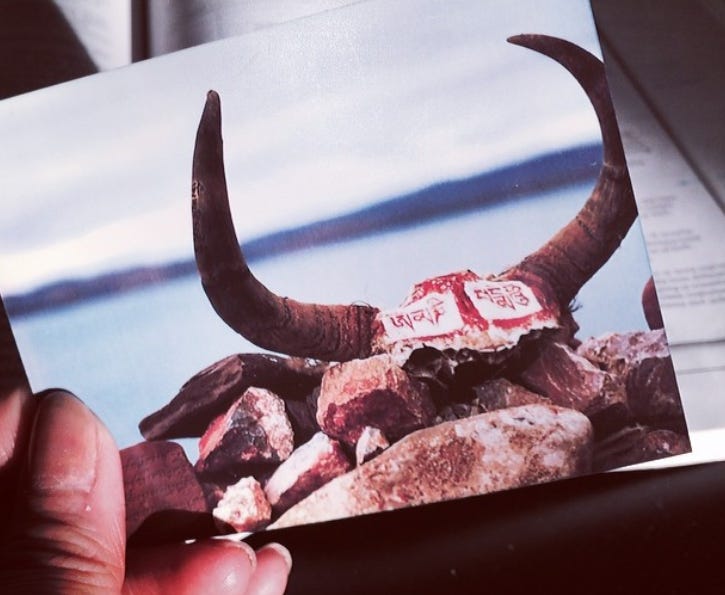
Tibet first caught my attention in February of 2014.
I was early in my undergrad at Waterloo, working my very first co-op job. I wasn’t doing any product work yet. I hadn’t even heard of UX. I was in marketing and communications, thinking I’d become an ad writer one day. I thought that was the only way to a paycheck with the skills of an English major. Silly me.
Looking back, I’m grateful for that first co-op job. I was lucky to have a manager who did two crucial things: (1) gave a shit, and (2) treated me like an adult and gave me space to be creative (I don’t know what he was thinking; I was a junior adult at best). I didn’t realize how rare that was, or how much those two conditions mattered for someone like me. But that’s a side tangent.
Anyway, one day during that co-op term, I found a photograph.
It fell out of a secondhand English textbook I was flipping through. No caption, no context, no date stamp. Just this image: a pile of reddish stones, topped with what I think was a ram’s skull—two large, curved horns arching outward, the crown etched with red script I couldn’t read. In the background, a vast lake shimmered under an open sky. Mountains were soft in the distance.
I didn’t know where it was, or what it meant. But something about it moved me.
I’d been reading a lot of magical realism at the time, and I took the photograph as a sign. Mysterious, but oddly personal. Like a secret message. A love letter in a foreign tongue I didn’t yet understand, but somehow recognized by feeling.
I snapped a picture and shared it on Instagram, with the caption: “where is this place?” Then, I tucked it back into the textbook. I adored it, but somehow it vanished as quickly as it had materialized.
I was glad I had taken the picture. Otherwise, I might’ve thought I’d dreamed up its existence.
A few weeks later, a comment landed under that Instagram post. It was from a Chinese friend I’d met through the magical World Wide Web. (I know, I know. I did say I was young.)
He wrote, “Would you believe me if I said this is a Tibetan mani stone pile, located at Namtso Lake—a beautiful lake.”
I knew, in my heart then, that I had to go there one day.
I wasn’t in a rush. Neither did I have the time or means. And my parents would’ve done everything in their power to stop me if I’d tried back then.
So with time, distractions, and life’s more urgent demands, I forgot about it. Every now and then I’d remember, but mostly, it stayed dormant. Patiently waiting.
Then last summer, it suddenly emerged. First slowly, then all at once. Until it was impossible to ignore. A pull toward something that felt like returning to a part of myself I hadn’t spoken to in a very long time. I had a hard time explaining it to my friends, my partner, even to myself.
I needed to go.
It took me over a decade to answer the call.
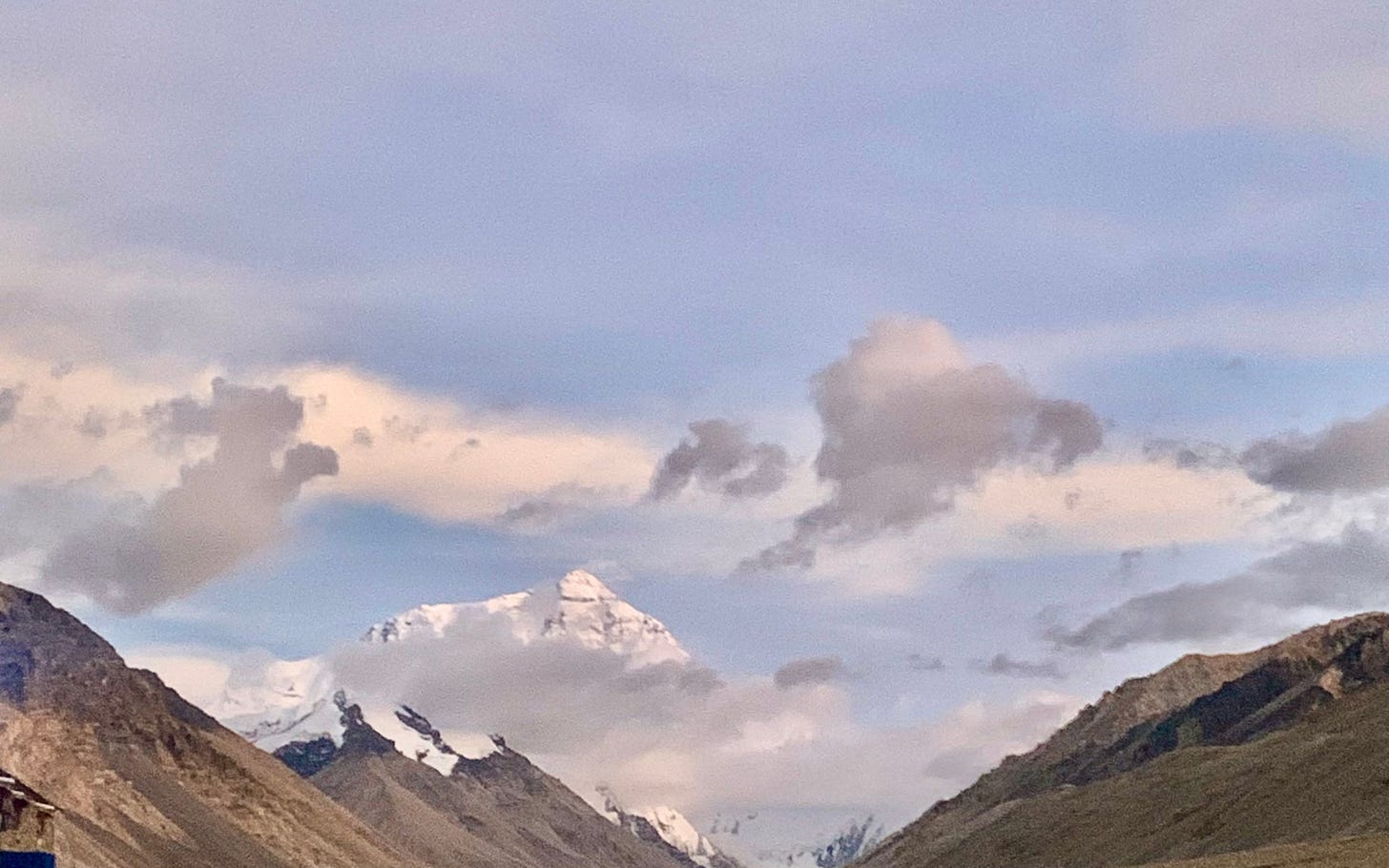
The altitude of perspective
We don’t like talking about loneliness. So I will here.
One of the characters in my Chinese name, 岑 (Cen), is an uncommon one that means a small but steep mountain. It also appears in an uncommon word, 岑寂 (cenji), which loosely translates to a specific kind of loneliness. The kind that comes from standing alone at the top of such a mountain.
I felt that kind of loneliness often as a kid. I still do.
I spend a lot of time alone, and I enjoy it for the most part. I’ve never liked being in a fixed pool of people; it always felt suffocating and overwhelming. At the same time, I desperately wanted meaningful connections. Yet I find most people hard to relate to, and small talk unbearable. I’m always on the edge, peering in from the outside, neither here nor there.
This specific brand of loneliness has followed me like a loyal old friend: calm, accepting and spacious, but also like staring into an abyss. Simultaneously. Some old friend.
I grew up in 杭州 (Hangzhou), a city on China’s eastern coast, shaped by poetry, lakes, and mountain peaks. My sister and I hiked often as kids. Whining, sweating, pushing ourselves, whining some more.
I can’t speak for my sister. But for me, the mountains were both playground and teacher.
They taught me how to put one foot in front of the other (and to whine—just a bit—less). To read trail signs and maps, but not over-rely on them. To plan, and still go with the flow. They taught me grit, long before I knew the word.
I found comfort on top of those mountains. They gave me perspective, space to breathe, and room to just be. They made me feel small and insignificant, but in the best way possible.
Then, my family moved to Ottawa.
Suddenly, the land was flat, functional, and polite. The terrain felt tamed, colonized.
Over time, I grew restless, longing for the wilderness and verticality of the mountains. The reminder that some things are bigger than us. That we are not in control, as much as we try to be. That chaos and awe go hand in hand, and neither is optional for the sustainability of my soul.
Everest was calling.
And last fall, I finally decided to go. I was ten years into my career as a product designer.
I’d pivoted into design early, during my second co-op job. That is a story in itself which I’m not going to get into.
I had a loose inkling of a strategy: figure out what energized me (and what didn’t). So I squeezed myself into as many different environments as I could—from Tokyo to Toronto to Montreal, from agency to corporate to startup.
After graduation, I started my first full-time design job in a corporate setting. That was where I learned to think in systems—shaping not just interfaces, but processes, teams, culture. Designing the how to the what.
Then came startup life. One, then another, then another.
The work was lonely and rewarding, difficult and fun, messy and exhilarating—often all at once. But over time, something started to shift beneath the surface. A small signal, asking me to pay attention.
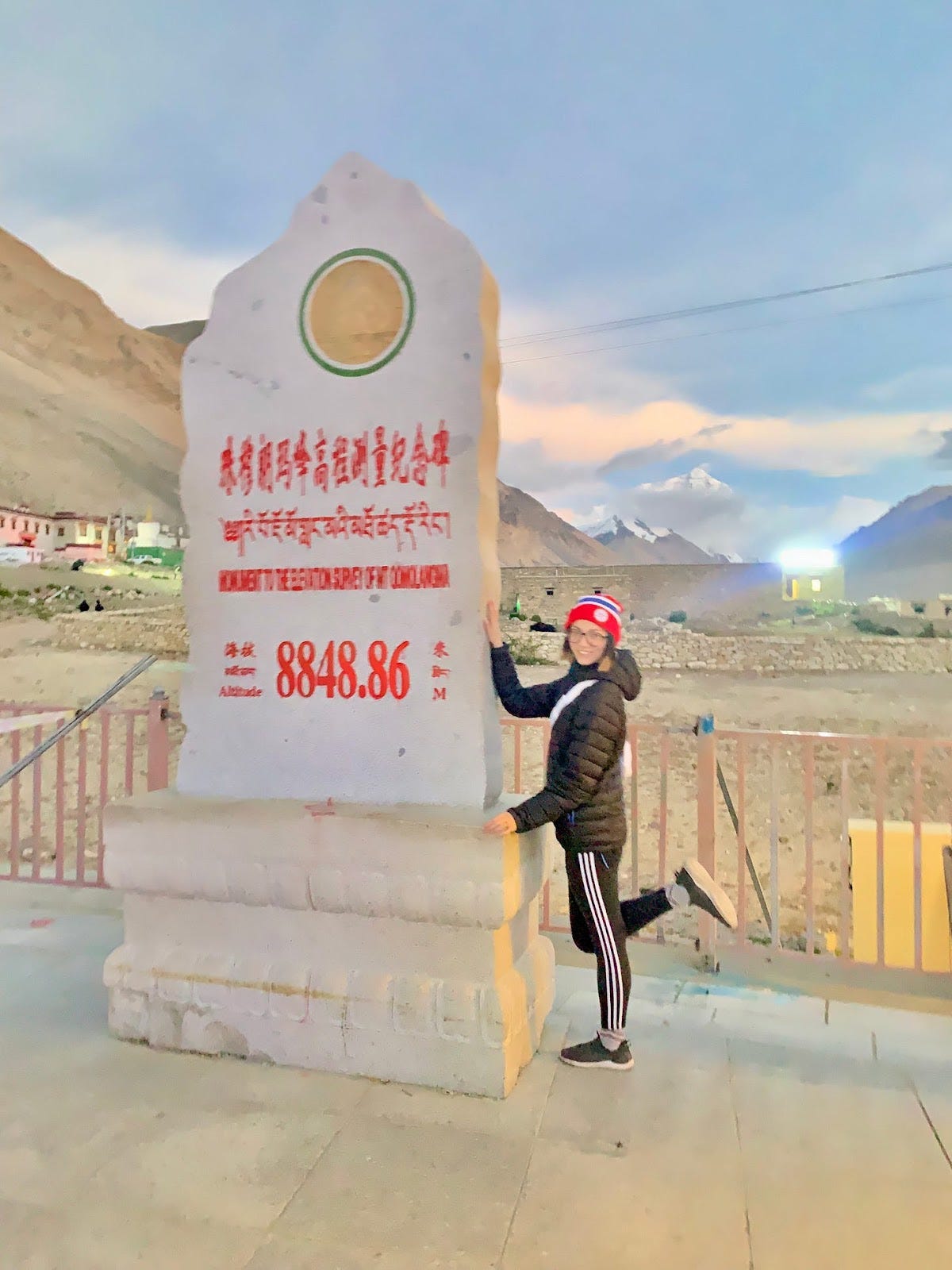
And then, standing at the base of Everest, it clicked.
I had been climbing a mountain someone else built, by the rules I hadn’t chosen.
And I didn’t want to climb it anymore.
What’s grit, anyway?
As a culture, we seem to mystify and romanticize grit. We treat it like an innate trait, as if you’re either born with it or you aren’t.
But I think that’s lazy thinking. It excuses us from accepting the responsibility for our own choices.
Grit is a muscle.
You strengthen it by showing up to do the hard thing. Whether you feel bored, challenged, anxious, or scared.
Feel how much it sucks, and do it anyway.
And then do it again.
I’ve been learning to say the hard thing. In work, in love, in friendships. Even when it’s uncomfortable. Even when it’s not pretty. Even when it hurts—me, and the people I’m saying it to.
Especially then.
But grit isn’t just hustle. It isn’t burnout in disguise. It isn’t sticking it out with sheer stubbornness.
Sometimes, powering through the status quo is the easy thing, counterintuitive as that might seem.
Grit is discernment. And that includes knowing when to take a different path.
There’s a line from Alfred Lord Tennyson's poem Ulysses that’s echoed through my life since I was a teenager: “To strive, to seek, to find, and not to yield”. For years, I held it like brass knuckles. Now, I carry it more like a compass.
To strive doesn’t mean doing so at all cost.
To seek doesn’t mean searching aimlessly forever.
And not yielding doesn’t mean clinging to what no longer serves you because it once held you up.
Sometimes, grit means dropping the rope.
Choosing again.
A pivot.
The map is not the mountain
In both mountaineering and building anything—a business, product, birdhouse—we rely on maps. Hiking routes. Roadmaps. Itineraries. Timelines. DIY guides. Quarterly plans.
Maps comfort us.
They make the unknown feel charted, navigable, predictable, manageable.
But a map is just a tool.
A model.
An abstraction.
A guess.
A story we tell about terrain we may not understand fully—or sometimes, at all.
I’ve seen the pattern countless times. I’ve fallen into it myself countless times. We make grand plans behind glass walls without engaging with the world. We assume things we’ve never touched. We draw arbitrary timelines around them.
And then reality—users, relationship dynamics, politics, old scars and new burns—rolls right over them. We act surprised. We shouldn’t be. We can’t predict the journey by looking at a map.
In Tibet, I learned this in a visceral way.
We had a meticulous, well-defined itinerary. A clear path on the map. But in the end, we had to listen to the mountain itself. Mountain weather is fickle. Plans don’t always stick.
I picked up a small oxygen tank before we departed for the Everest Base Camp. Just in case.
Some in our group didn’t. Maybe they felt young and strong. Or unbothered. Or cheap—many of us don’t want to pay for something when we think we can get away without it. I mean, I didn’t want to pay unnecessarily either. I’m Asian!
But I had come too far not to be fully present when I got there.
The tank wasn’t just a precaution. It was a commitment to my priority: as full of an experience as I could possibly have. An experience that I had waited for, for a decade. A couple hundred bucks felt well worth that.
At first, everyone was fine. But then, we went higher, and higher, and higher.
The symptoms arrived slowly, then all at once and all-consuming: dizziness, nausea, the strange sense that your breath can’t catch up to your heart.
I felt it too, but not as strongly. So I offered my oxygen tank to someone who seemed to need it the most. They didn’t have to ask. It passed between our hands quietly.
That’s generally how I like to operate.
With care.
Paying attention and taking the best actions I can based on what I notice. Carrying something because someone might need it, and trusting that I’ll know when to offer it.
When we arrived at base camp, we were a few hours behind schedule thanks to poor mountain road conditions.
We had hoped for stars at night and a clear sunrise, but it was pouring rain. A storm was brewing, and the skies were grey. Friends got sick. Thunder and snores like thunder echoed through our shared tent, and the group fussed around from the high altitude.
Still, a few of us made our way to the highest party in the world, dancing to classic millennial bangers like Justin Bieber’s Baby and Mandarin pop songs we’d never heard. We wore rain parkas and carried oxygen tanks, as we linked arms and jumped around in chaotic motion, shouting our names at strangers whose names we swiftly forgot after one dance.
That wasn’t in the plans.
And yes, part of me was sad about missing the sunrise at Everest. Who wouldn’t be?
But that rainy dance party?
I wouldn’t trade it for a hundred sunrises.
We’ve all followed plans that made perfect sense on paper, and still ended up breathless, disoriented, or in unexpected joy.
Maps give us illusions of control.
But they don’t show fog. Or fatigue. Or friendship.
They can’t tell us when to pivot, when to back track, or when to dance in the rain.
The terrain rewrites itself in real time.
And we are asked—again and again—to show up, and respond.
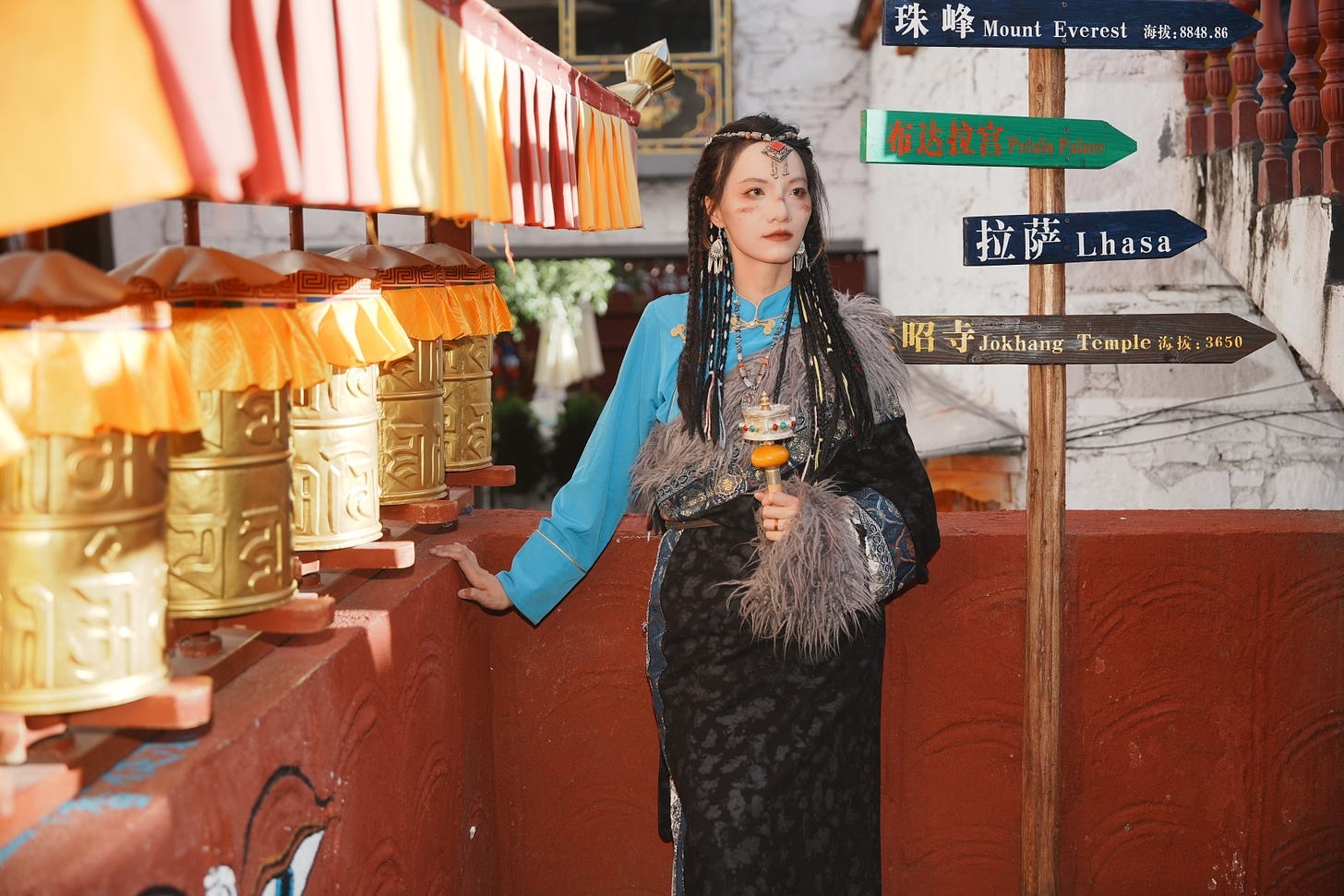
Embracing chaos
Confidence often gets mistaken for certainty. For loudness. For having all the answers. For unwavering clarity at all costs. For absolutes.
But the kind of confidence I returned from Everest with—like a small, steady flame I’ve been tending—is a bit different.
It’s quiet.
It makes space for complexity.
It welcomes ambiguity and uncertainties.
It says: This is what I believe in, and I’m willing to be wrong.
Much like a mountaineer taking a risk to climb Everest: believing they can weather it, and ready to be humbled.
I believe true confidence doesn’t cancel out humility. It requires it.
The willingness to be wrong—and being wrong itself—isn’t a weakness. It’s a prerequisite for growth. Without it, we grasp at certainty and miss the opportunity to evolve.
This duality—of confidence and humility—isn’t a contradiction. It’s a choice. And it’s one I want to keep choosing.
That said, I must admit that many days I don’t carry this confidence. And it stings when I don’t—when I go looking and can’t find it anywhere. I don’t know the witchcraft spells or formulas to summon it. My assumption is that most people don’t. We’re human. Confidence isn’t constant.
So I try to focus on when I do have it. I tend to it, protecting the flame with care.
Mountains, like confidence, are often perceived as firm, unchanging, eternal almost. But they aren’t. They shift, erode, rebuild themselves over time.
If even Everest can be reshaped by wind, weather, geophysical force and time, why do we expect our work, our interests, our identities, and our values to stay the same?
We live so much of our lives in systems built by others—for profit, for power, for order, for control. Systems that want us to believe that our worth lies in our productivity. That chaos is failure.
But man, I love me a healthy dose of chaos.
Creativity is inherently chaotic.
Chaos cannot be planned or packaged into a neat little box.
And that’s not just a cute metaphor, it’s neurological:
Our brains constantly shift between patterns. Sometimes, large groups of neurons fire in harmony like a well-rehearsed orchestra. Other times, they fire completely out of sync. Erratic, uncoordinated, and seemingly random.
Those chaotic moments? Turns out that’s where breakthrough ideas tend to emerge. Studies suggest that people whose brains spend more time in these chaotic firing states tend to generate more creative ideas.
Chaos allows new connections to form. Unexpected, nonlinear, meaningful connections.
In other words, chaos is a superpower. Especially if you’re a designer, a creative, a builder.
Maybe that’s why I feel most alive—not the most comfortable, but the most alive—in the ambiguity, when the creative energy rises up and something unexpected demands to be created.
Something in me needs to create. Not just comply. To build things that are alive, wild, fluid.
“Not to yield, not to yield, not to yield,” I whispered to myself in the months after Everest, each time something difficult landed at my feet: another health scare, another job loss in the family, another injury, another setback, another curveball.
But I’m grateful for it all.
Struggles are gifts from the universe.
They serve as training for grit, so that we can stand in the storm with full presence, accepting both the ache and the awe. And to say—voice shaking, heart racing, eyes clear:
I refuse to yield to systems that keep us small.
To maps that lead us astray.
To voices insisting we must climb mountains that aren’t ours to climb.
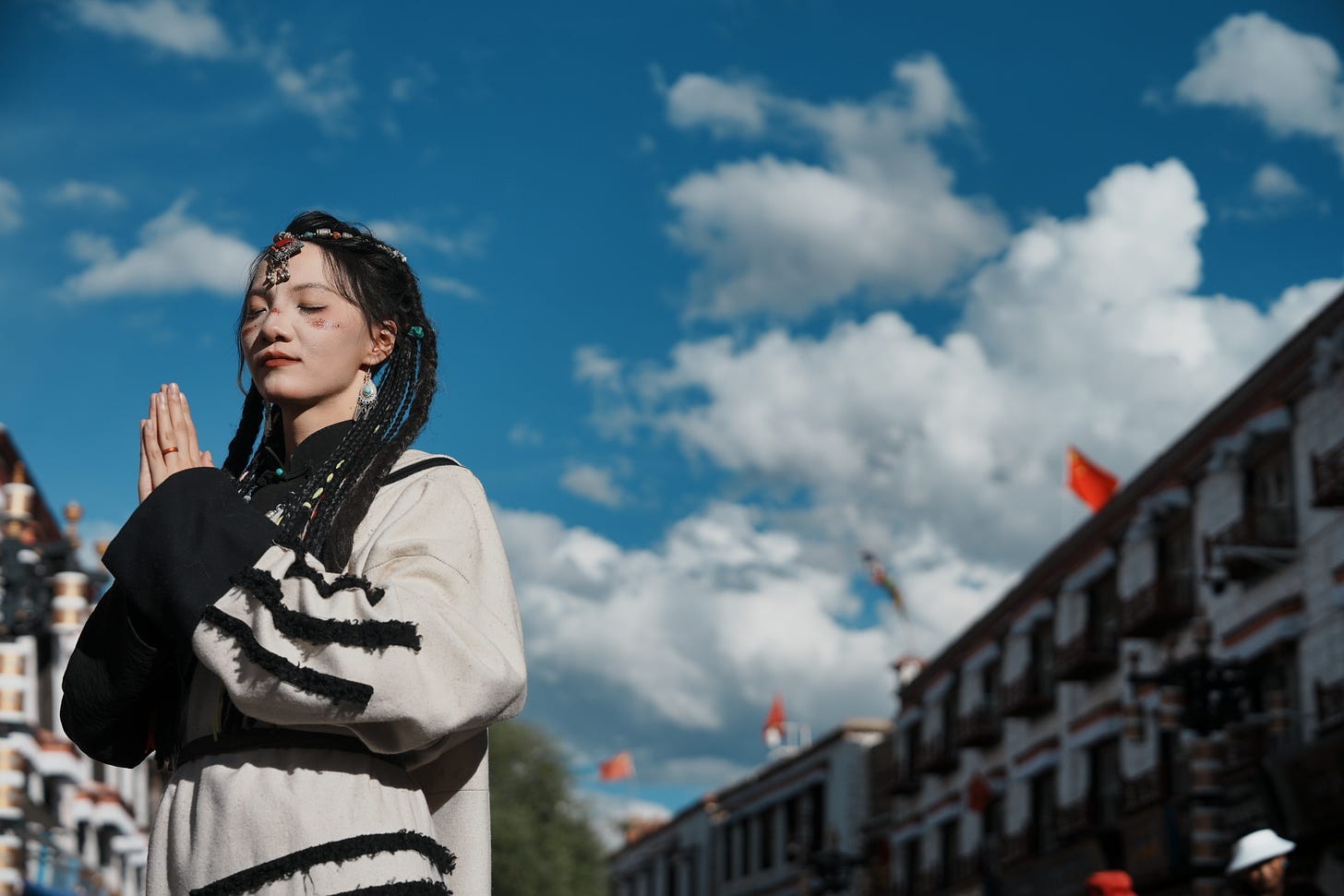
What’s next
I studied English in my undergrad. Most people thought it was impractical.
But now, as a new wave of technology starts to reshape how we design, build and interact with the world, it’s all (kinda) coming together.
My background in English taught me the architecture of thought.
That language is interface. Framing is design. Meaning-making is strategy.
That stories bind people to ideas to actions.
I didn’t know it then, but I was training for design work I couldn’t yet imagine, that I still can’t imagine yet, to be honest.
I don’t have a map. But I have a compass.
I want to coach and mentor more.
I want to build more intentionally, with people who care. I want to create an environment where chaos and ambiguity are welcomed into the process, where discomfort can coexist with joy.
It’s still forming. But so is everything.
I didn’t climb Everest. I didn’t need to. (And let’s be real—I probably wouldn’t survive.)
But for me, the meaning of my journey was never at the top. It was at the base. In the cold. In the silence. In the breathless breaths. In the new friendships forged within days. In the dance party under the grey skies. In the shared oxygen tank.
In the quiet reminder:
We get to choose our mountains.
And we get to choose again, when things change, as they inevitably do.
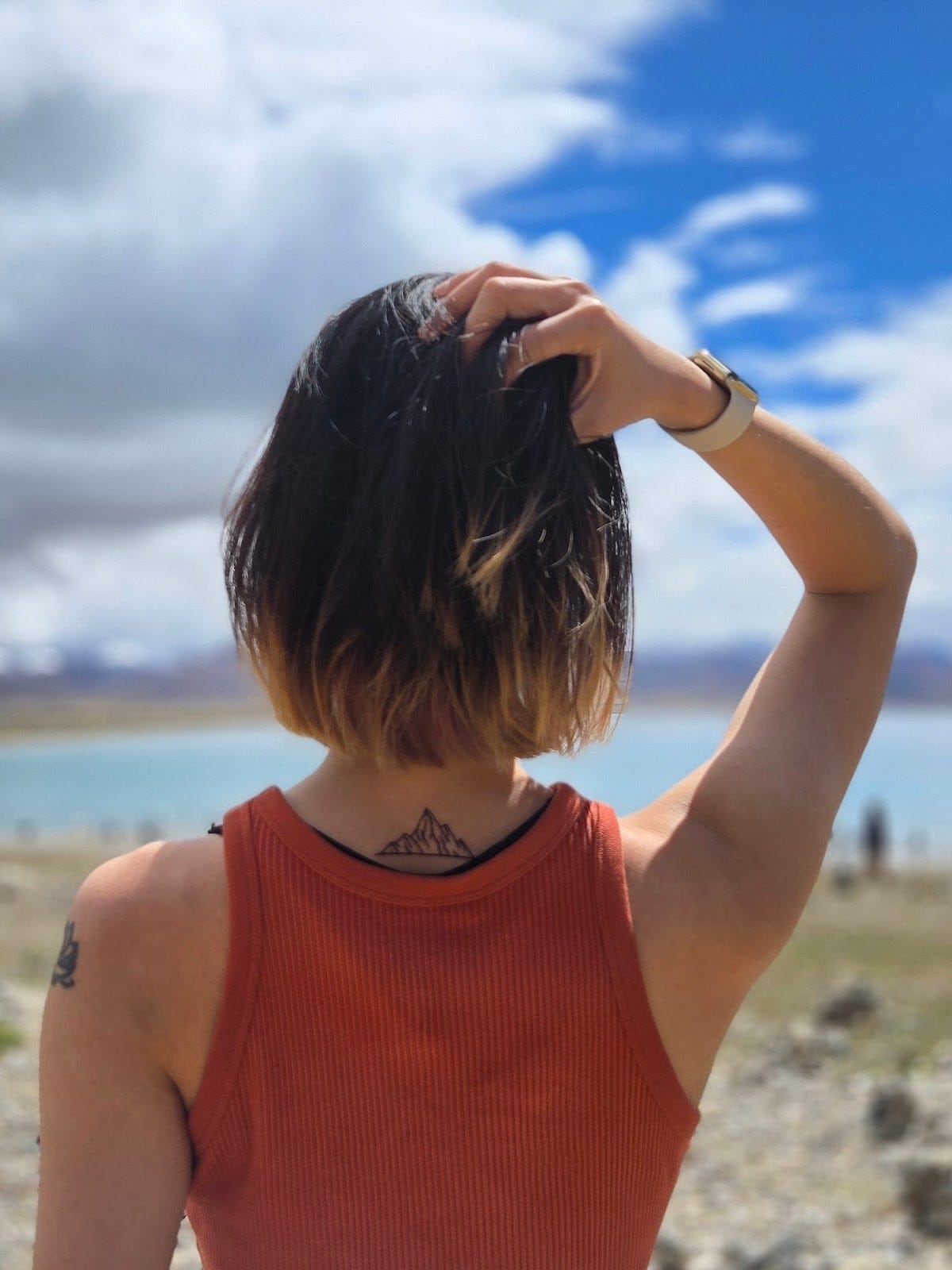
P.S. Thank you for reading. If this spoke to you in any way, I’d love to hear what you’re sitting with. I’m always up to talk product, design, leadership, career pivots, life transitions—or mountains. And if you’re a designer or PM looking for a coach or thought partner, reach out! I’d be honoured to support you.
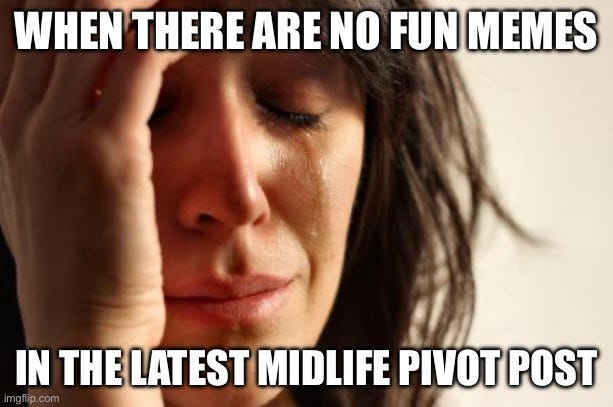
P.P.S. If you came for the memes, my sincere apologies. Here’s one as a consolation prize:
I'm a strategic product designer with 10+ years of experience in tech. During my 5-to-9, I'm on a journey to become what I call a "full stack builder"—someone who can work across product, design, and engineering to take an idea to MVP independently.
Join me as I share my stumbling blocks, insights, tools and experiments in product design, AI, system design, and more—with no map and no clear destination, just a commitment to the journey of learning and building.
Beautifully written 💛